
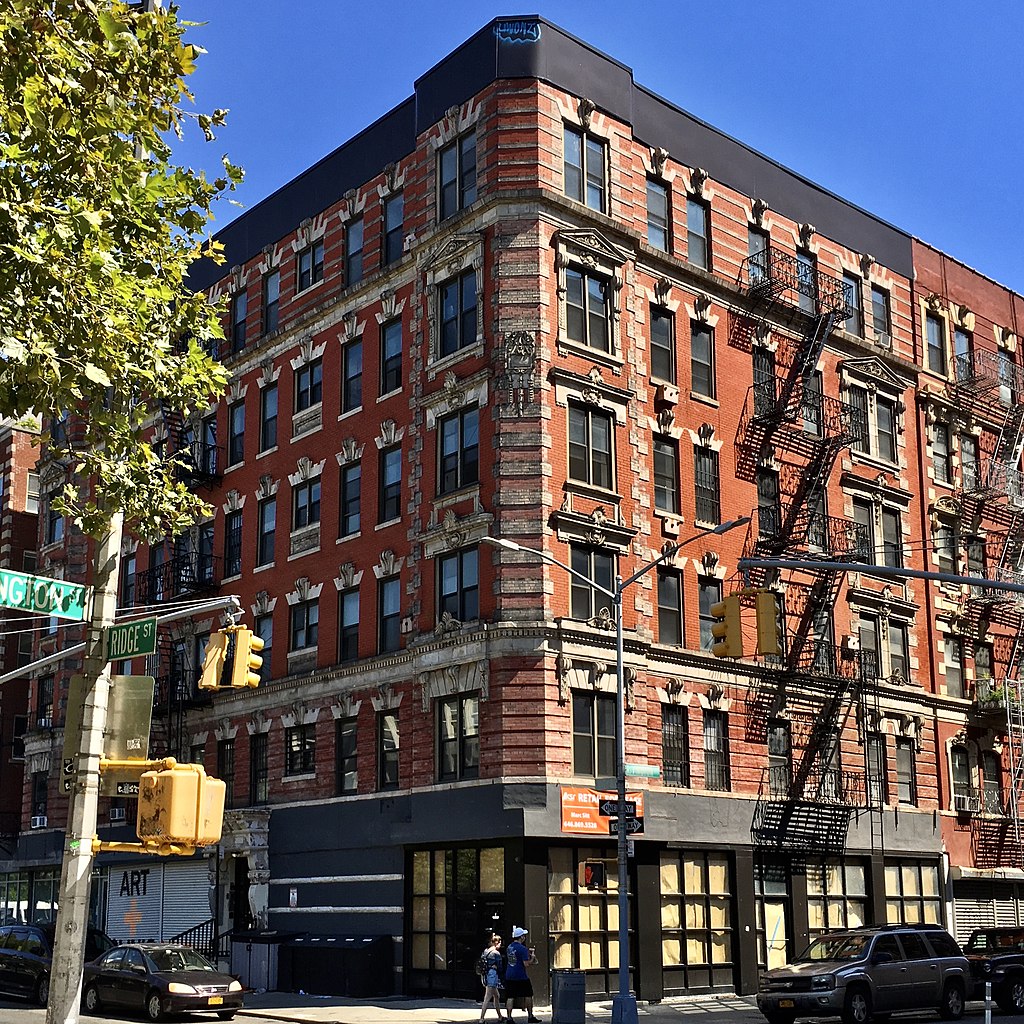
In a 2022-2023 case, Hous. Rights Initiative, Inc. v Elliman, the plaintiffs alleged that the defendants willfully and intentionally refused to rent apartments to individuals who were using housing vouchers. Testers were used—people posing to rent apartments through Elliman—and were told by the defendants that they did not accept housing vouchers as a form of rent payment.
Individuals receiving housing vouchers are economically disadvantaged, and many are disabled. Discriminating against people because they receive housing assistance is illegal in many states, and may be illegal federally due to the disability component.
Per fairhousingcoach.com, litigation in this area is growing fast, and it can be very costly:
Up till now, source of income discrimination has tended to fly under the compliance radar. That’s due, in part, to the misleading fact that it isn’t expressly banned by the federal Fair Housing Act (FHA). However, as landlords around the country are learning, source of income discrimination is a major liability risk that can result in significant penalties, especially under state and local fair housing laws. It’s also among the fastest growing areas of fair housing litigation, generating 1,713 complaints nationwide in 2022, according to the National Fair Housing Alliance. That’s a year-over-year increase of 39.8 percent.
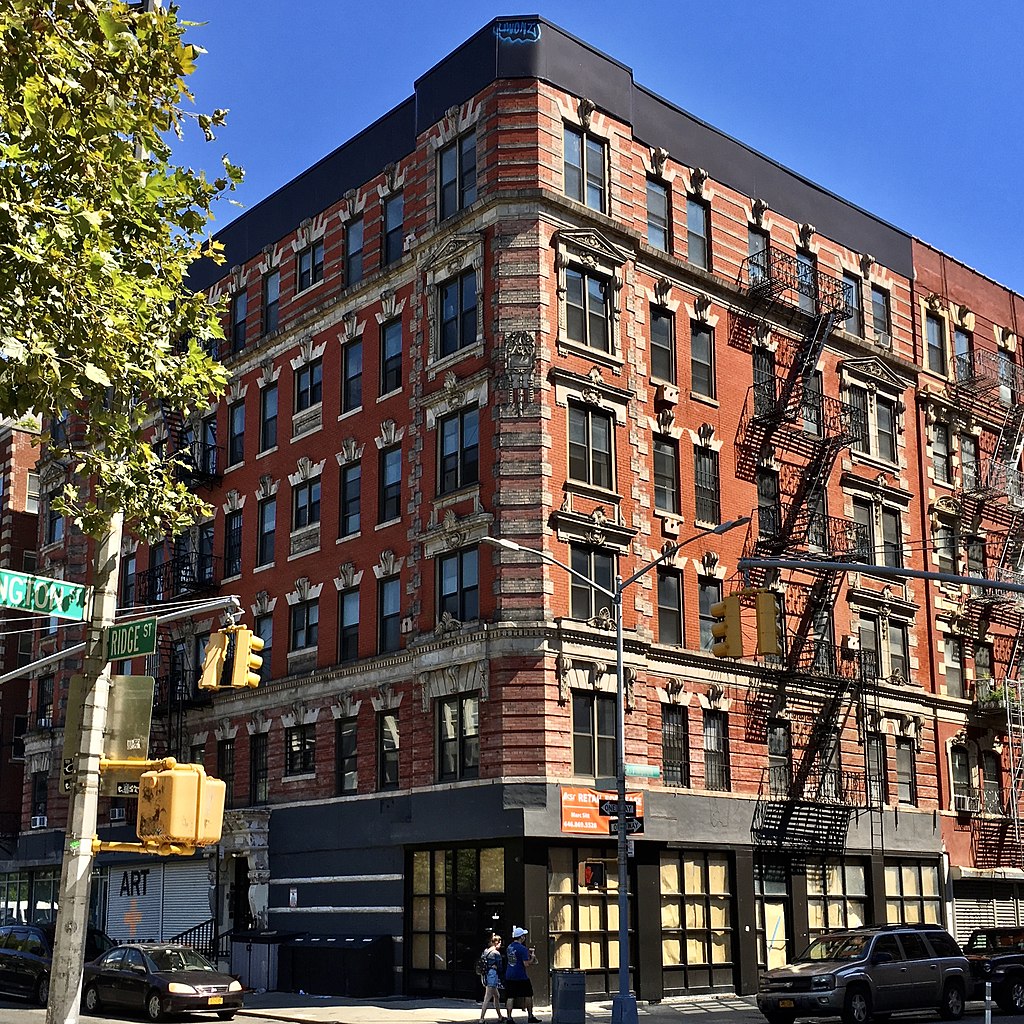
In 2023, a bill protecting source of income passed the Michigan Senate. If signed into law, Senate Bill 207 will amend the Michigan Elliot-Larsen Civil Rights Act to include source of income protection. The bill defines source of income to include benefits or subsidy programs including housing assistance, housing choice vouchers, public assistance, veterans’ benefits, Social Security, supplemental security income, and other programs administered by federal, state, local, or nonprofit entity.
If passed, the bill won’t make everyone happy. It exempts protections when lessors own fewer than five rental units. Critics of the exemption say this could represent as many as two-thirds of rental units available.
As of now, property owners and lessors with four or fewer units may turn down housing applicants who want to use vouchers. However, it is illegal for them to refuse to rent to someone because they have a disability. Disability is one of seven protected classes at the federal level. And source of income is a protected class in 10 cities in Michigan. Know your local laws.